

From Conversation to Action: What Nebraska Leaders Are Saying About Growth in the Good Life
What does Nebraska need to do to keep growing?
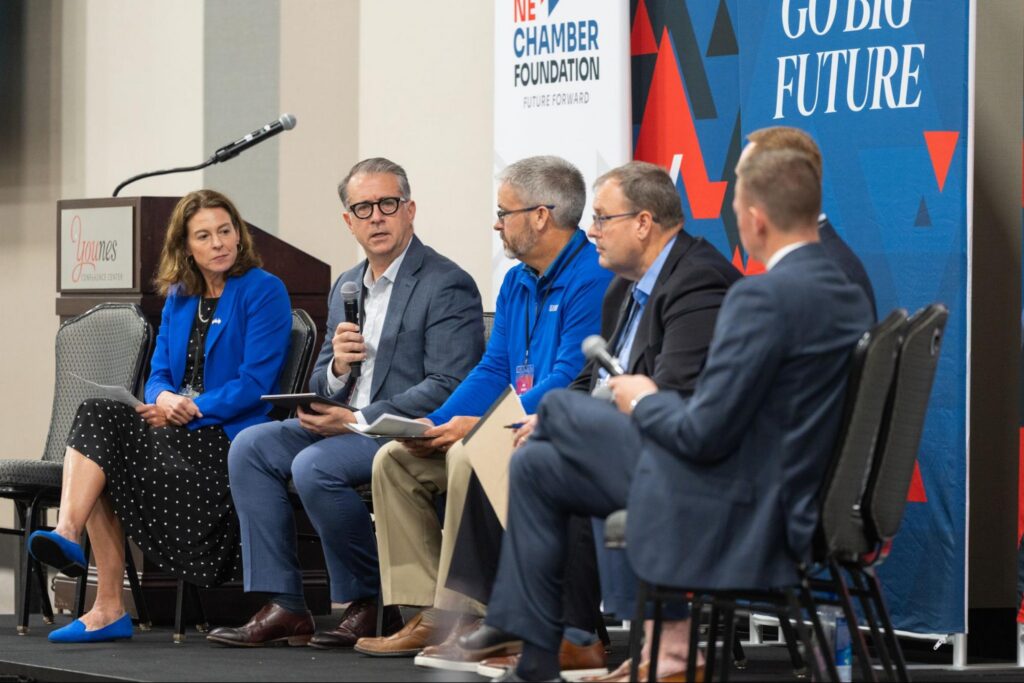
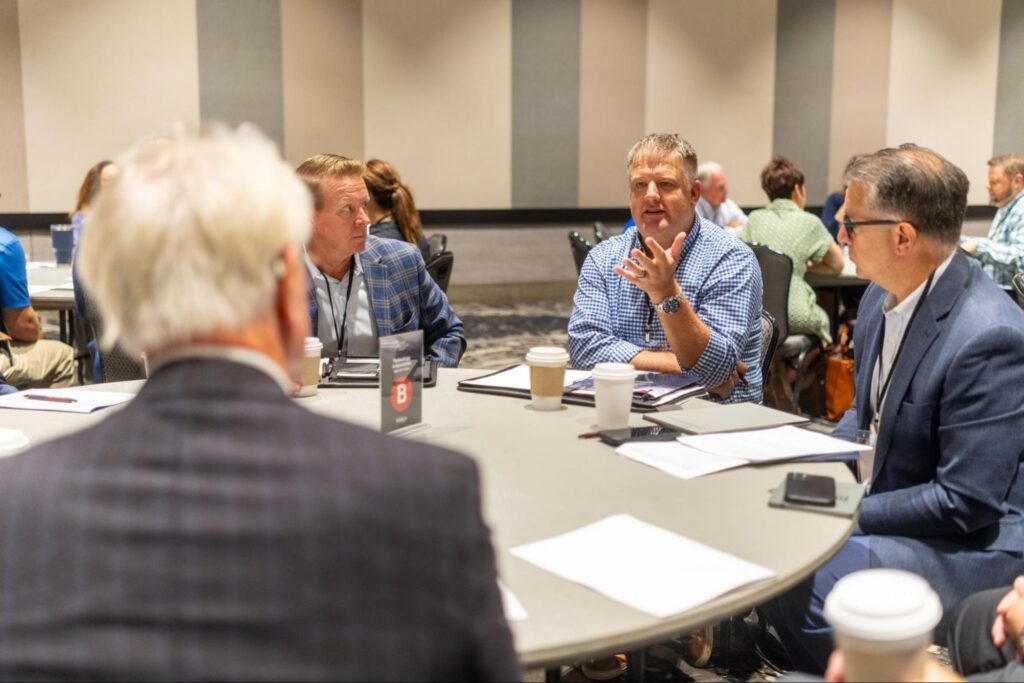
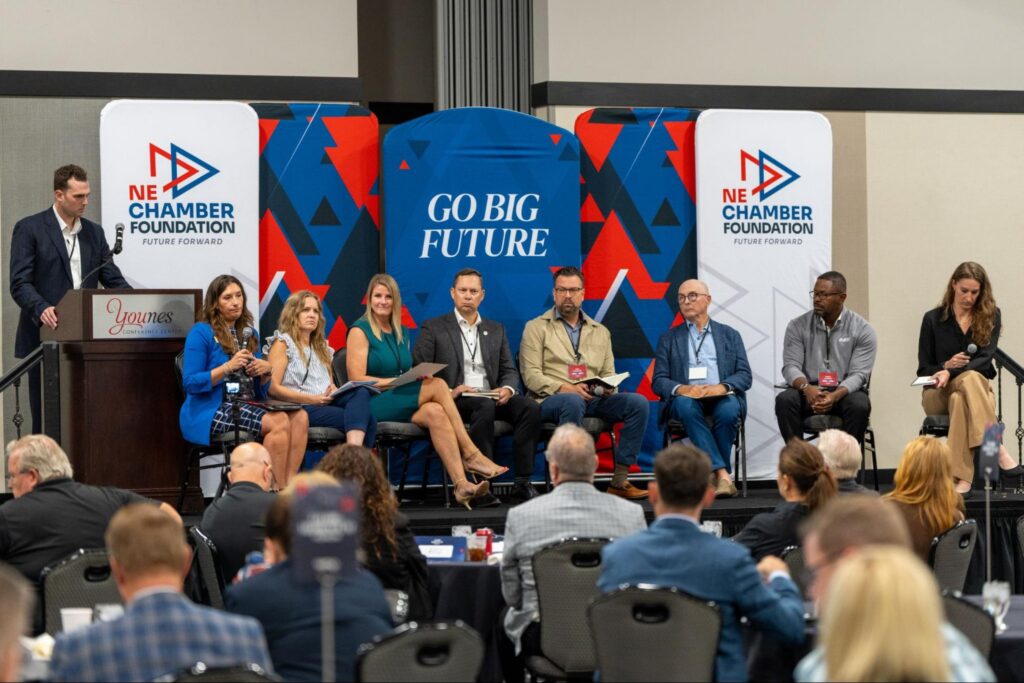
That was the question at the heart of the Go Big Momentum Forum in Kearney, where business leaders, educators, elected officials and community leaders from across the state came together to tackle some of the biggest opportunities and challenges facing Nebraska’s future.
The forum was designed to discuss ideas, assign leadership and identify actions that could help Nebraska compete for talent, investment and economic opportunity.
And while the conversations covered everything from artificial intelligence to energy infrastructure to workforce shortages, a common theme emerged: Nebraska has the assets to grow. Now, it needs to be more intentional about turning those assets into action.
Nebraska Has an Opportunity to Get Ahead of the Technology Curve
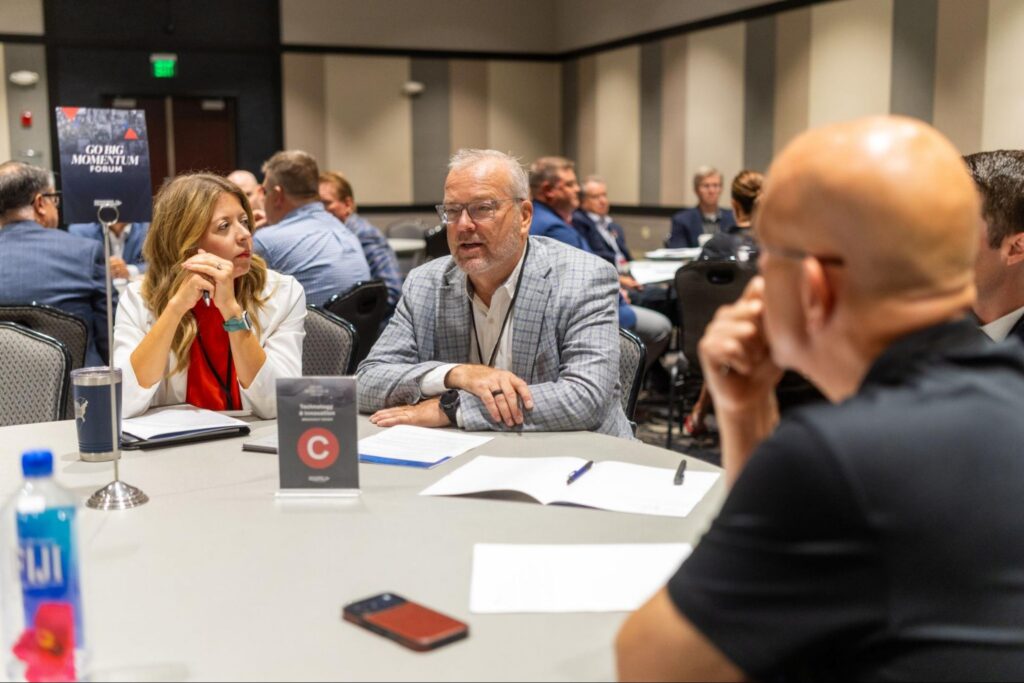
Technology is changing how businesses operate, and Nebraska’s leaders are thinking seriously about how the state can future-proof its businesses and workforce.
One focus was helping small and mid-sized businesses adopt technologies like artificial intelligence and automation. For many businesses, the challenge isn’t recognizing that these tools matter. It’s knowing where to start and having access to the resources needed to put them to work. Making technology adoption more accessible could help Nebraska businesses become more productive and flexible as they operate in a rapidly evolving competitive landscape.
The conversation also turned to how Nebraska talks about its manufacturing future. Terms like “advanced manufacturing” may accurately describe the work happening in modern facilities, but they don’t necessarily capture the imagination of the next generation of workers. Panelists discussed the value of talking instead about automation, robotics and the technology-driven careers available in Nebraska. There was broad consensus that Nebraska’s technology-education pipeline needs attention.
Nebraska already has strong participation in hands-on technology programs, such as robotics. Expanding those K-12 opportunities could help students see technology not simply as something they use, but as a career path they can pursue, especially in core Nebraska industries.
Growth Requires Infrastructure.
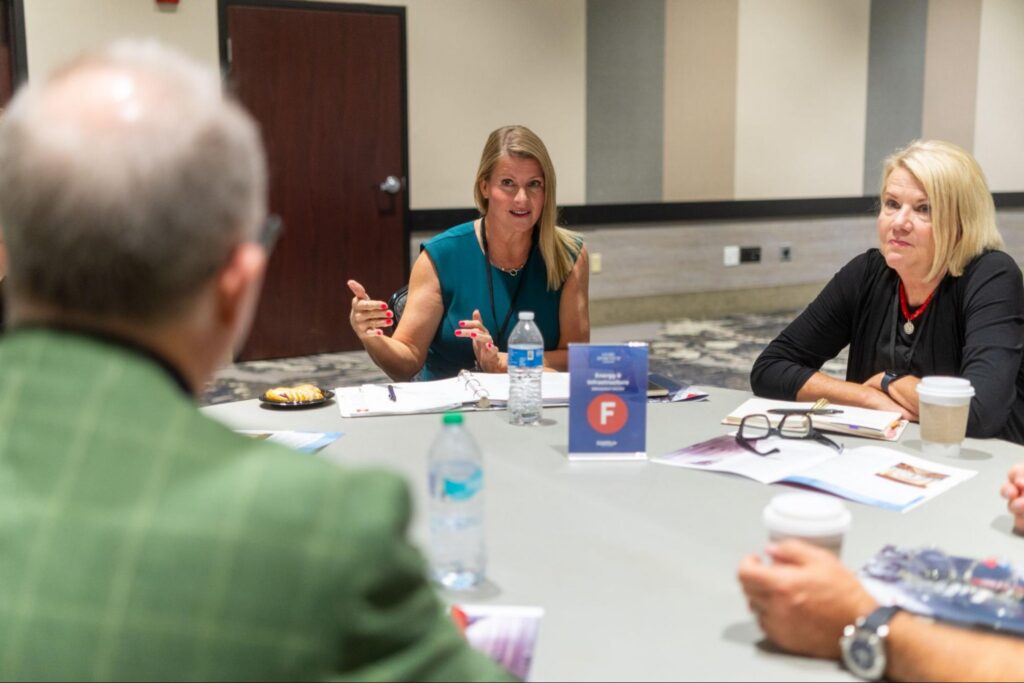
Technology isn’t the only area where Nebraska needs to think ahead. The same is true for energy and infrastructure.
Nebraska has an opportunity to attract major new investments, but those projects need access to reliable power, water and broadband infrastructure. That means communities can’t always wait for a developer to show up before preparing for growth.
The same principle applies to site development. If Nebraska wants to compete for transformational projects, communities need to think about site readiness before the opportunity arrives. That could mean investing in infrastructure and preparing shovel-ready sites so that Nebraska is positioned to say “yes” when the right project comes along.
But large infrastructure investments of this type depend on community trust and stronger coordination.
Energy development and other large projects can create tension around local zoning and land use. Participants discussed the potential for more statewide guidance that could help communities navigate these projects — guidance that recognizes the need for a statewide infrastructure strategy without completely abrogating local control.
Just as importantly, leaders emphasized that sterile facts aren’t always enough to bring a community along. Successful development requires telling a compelling story about what an investment means for the people who live there, from new jobs and expanded opportunities to the long-term future of the community.
Nebraska's Workforce Challenge Is Bigger Than Filling Jobs
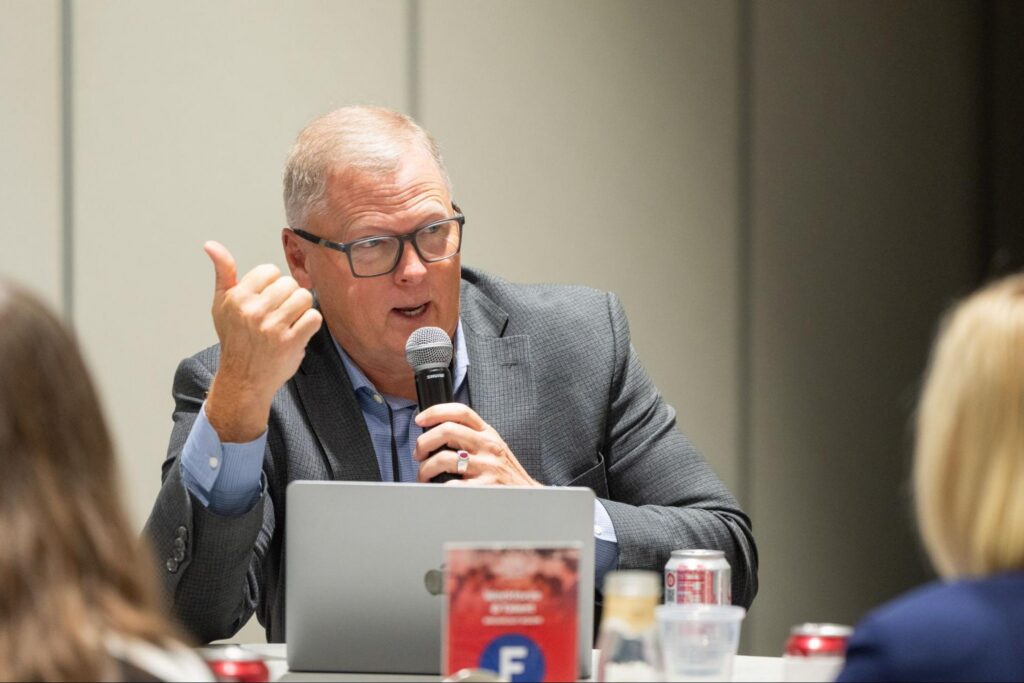
Perhaps no issue is more closely tied to Nebraska’s future growth than workforce.
The state needs more people, but it also needs to make better use of the people already here and remove barriers that keep qualified and/or interested workers from entering high-demand fields.
One example is training capacity. Students interested in careers such as nursing, engineering and the skilled trades can face significant waitlists because educational institutions don’t have enough seats or instructors to meet demand. Expanding that capacity could help Nebraska turn more interested students into the skilled workers its economy needs (and keep those students from leaving for other states).
Participants also discussed opportunities to make it easier for skilled immigrants to enter Nebraska’s workforce, including improving the process for translating foreign credentials and expanding English language support. A statewide credential registry could also help employers and communities better understand the skills available in Nebraska and connect qualified workers with opportunities.
Participants emphasized that workforce development doesn’t begin and end at an employer’s doorstep. If Nebraska successfully attracts a major employer or development project, communities must be ready to welcome the people who will fill those jobs.
That means proactively thinking about housing. Economic developers may need to start working with communities 12 to 18 months before a major project arrives to ensure enough housing is available for incoming workers and their families.
In other words, workforce development and economic development can’t operate in separate lanes. They are part of the same growth strategy.
Nebraska Must Build a Future People Want to Join
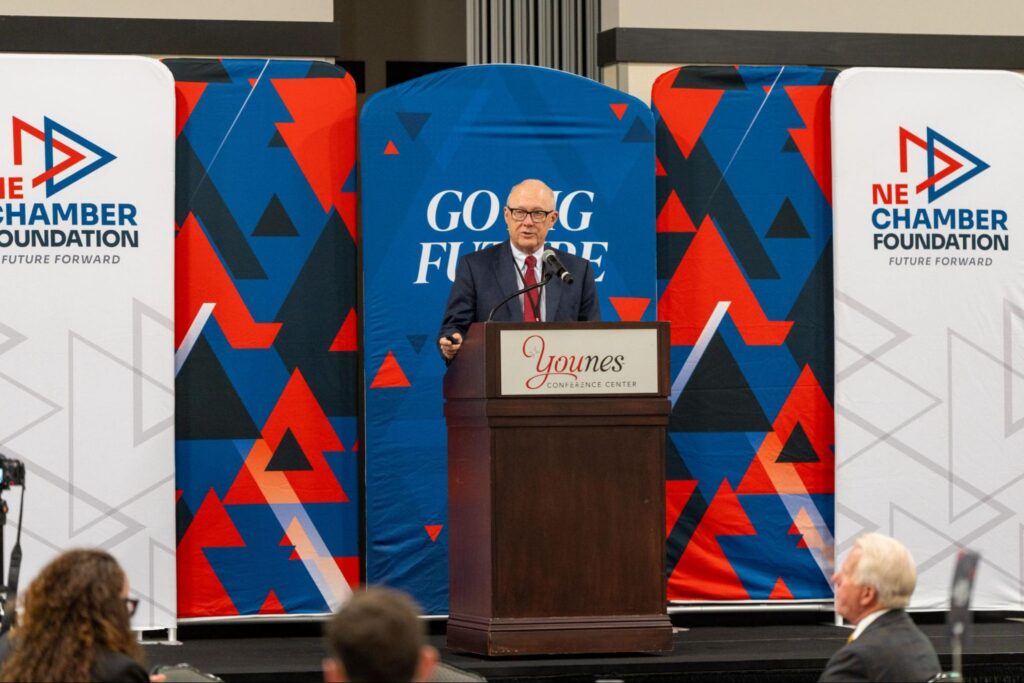
The importance of making Nebraska a place people want to live came into focus during keynote remarks from Speaker John Arch, who reflected on the Legislature’s recent work to reduce property and income taxes.
Tax relief matters. It can strengthen Nebraska’s competitive position and create a stronger foundation for economic growth. But the conversation in Kearney made clear that it cannot be the end of the conversation.
If Nebraska wants to grow, it has to actively create the conditions for growth.
That means preparing sites before businesses come calling. Expanding training capacity before workforce shortages become even more acute. Helping businesses embrace new technology. Building infrastructure ahead of demand. Welcoming new talent. And, perhaps most importantly, telling a confident story about why Nebraska is a place where people and businesses can build something great.
The Momentum Continues Across Nebraska
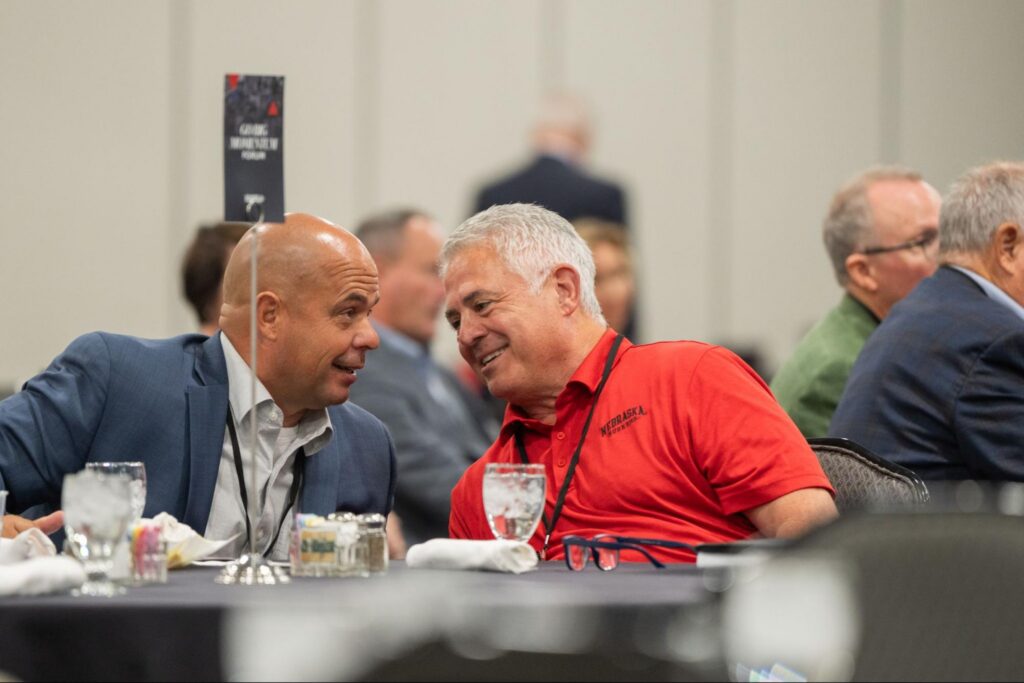
The Go Big Momentum Forum in Kearney was one stop in a statewide conversation about Nebraska’s future. As the Go Big Future series continues into the fall, the ideas raised in Kearney will help shape the priorities and actions that come next. Why wait for the future to arrive, when we can begin building it now?
What’s Next?
Nebraska’s future will not be built through a single policy, project or investment. It will take sustained alignment between education, industry, government and communities willing to think BIG about the next generation. Our next Go Big Future event, Ag Tech & Beyond, will take place September 24 in Fremont.
Contact the NE Chamber team.
Drive alignment.
Build coalitions.
Find Solutions.
Grow Nebraska.
If you’re reading this and you’re still not sure what to do next, here are a few local ideas to get you started:
- Speak Up: Some of Nebraska’s best solutions will be built from the ground up. Advocate for local policies that grow workforce capacity, strengthen local infrastructure and diversify our energy portfolio at the grassroots level.
- Grow the Conversation: The topic of Nebraska’s BIG future shouldn’t be confined to state or local government. Talk about the data insights with your friends and neighbors. We win when everybody understands the game.
- Champion Solutions: Actively support or participate in local initiatives or pilot projects that aim to expand opportunity and remove barriers for Nebraskans and their families.
Ready to Go Big?
Ready to GO BIG?
Thank You to Our Sponsors